
Many people have a blood pressure monitor at home and use it in a hurry: standing up, just back from the street, talking on the phone. The result is a figure that is worth almost nothing and that sometimes frightens for no reason. Measuring properly has its tricks, and they are simple.
First of all: measuring at home complements your appointments with your doctor, but does not replace them. Your targets and your treatment are set by your doctor.
What vital signs are
They are the basic signals that tell us how your body is working: temperature, pulse (heart rate), breathing and blood pressure. Oxygen saturation is often added.
In a healthy adult at rest, the reference figures are usually:
- Temperature: around 37 °C.
- Pulse: between 60 and 100 beats per minute.
- Breathing: between 12 and 20 per minute.
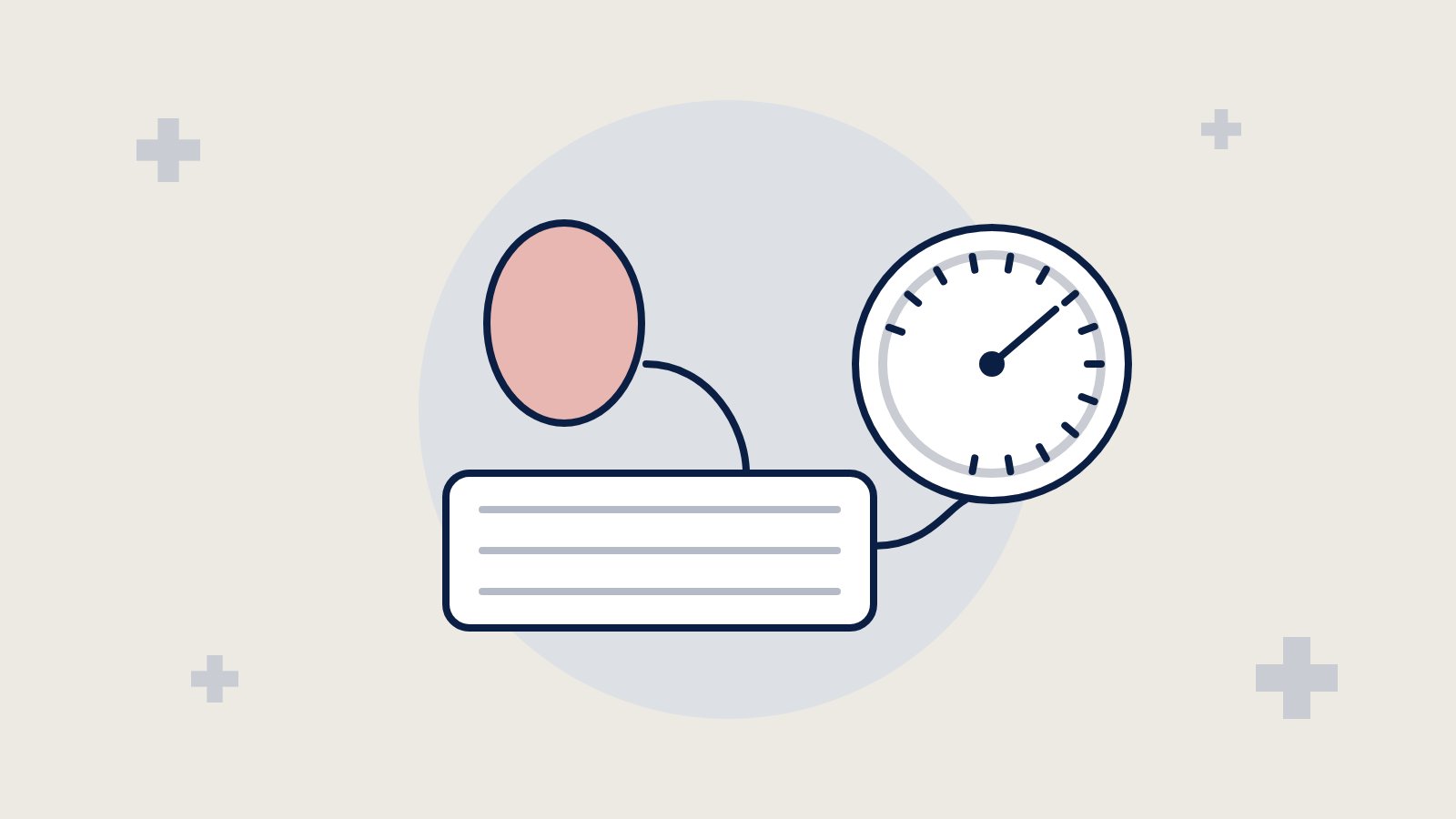
- Blood pressure: around 120/80 mmHg.
These are indicative values. They change with exercise, sleep, stress and illness, and what is normal for you is assessed by your doctor.
How to measure your blood pressure properly
- Rest for 5 minutes beforehand, without exercising. Better at a quiet time.
- Sit down with your back supported, your feet on the floor and your legs uncrossed.
- Rest your arm on a table, at heart level, relaxed and without tight clothing.
- Do not talk during the measurement.
- Avoid coffee and tobacco in the 15 minutes beforehand, and do not measure with a full bladder or when in pain or anxious.
- Device: automatic and validated, better an upper-arm one than a wrist one, with the cuff properly fastened and the right size.
- Repeat: take 2 or 3 measurements 1 or 2 minutes apart and keep the average.
- Note down the date, the arm, the figures (systolic and diastolic) and the pulse, and take it to your appointment.
How often to measure depends on each person. One schedule that is mentioned is morning (before medication), midday, afternoon and night, but follow what your doctor or nurse has told you.
Common mistakes
- Measuring just back from the street, after climbing stairs or in a hurry.
- Doing it standing up, with your arm hanging or your legs crossed.
- Using a cuff that is not your size or putting it over your sleeve.
- Measuring only once and being alarmed by the figure. A single reading is not a diagnosis.
Some people have high figures at the surgery and normal ones at home. That is what measuring at home is for: give those notes to your doctor and let your doctor assess them.
See your doctor if…
- Your figures are often high.
- There is a lot of variation between readings or you cannot get reliable ones.
- Your blood pressure feels low, with dizziness when you stand up.
- You have doubts about the device or the values.
Call 112 if…
- You have chest pain or sudden shortness of breath.
- You lose consciousness or faint.
- Sudden weakness on one side of the body, difficulty speaking or a drooping face.
When a home nurse can help you
There are cases where it is advisable for someone to take vital signs regularly: after an operation, with a new treatment, in an older person who lives alone or when the family lives far away. At home I can take and record your blood pressure, pulse, temperature and oxygen saturation, check that your monitor is suitable, show you how to use it and let your doctor know if I see anything that does not add up.
Frequently asked questions
How often should I measure?
At least once a week, or as your doctor indicates. If you have been given a schedule with more readings, follow it.
Is an upper-arm or a wrist monitor better?
An upper-arm one, which is usually more accurate.
How many readings should I take each time?
Two or three, one or two minutes apart, and keep the average.
What is a normal blood pressure?
Around 120/80 mmHg, although it changes with age and each person’s condition.
How often should the monitor be checked?
Some guidelines recommend checking that it has been calibrated within the last year, and reviewing it every two years.
Sources
Informational content. It does not replace the assessment of a healthcare professional or a medical consultation.
Last reviewed: 29 October 2026
See the service