
Living with diabetes is, above all, a matter of small routines done well. Checking your glucose, looking at your feet and knowing what to do if your sugar drops: with those three things under control, many scares are avoided.
This guide is general. Your targets and your treatment are set by your doctor, and mine are to support you so that you know how to do it well at home.
1. Checking capillary blood glucose
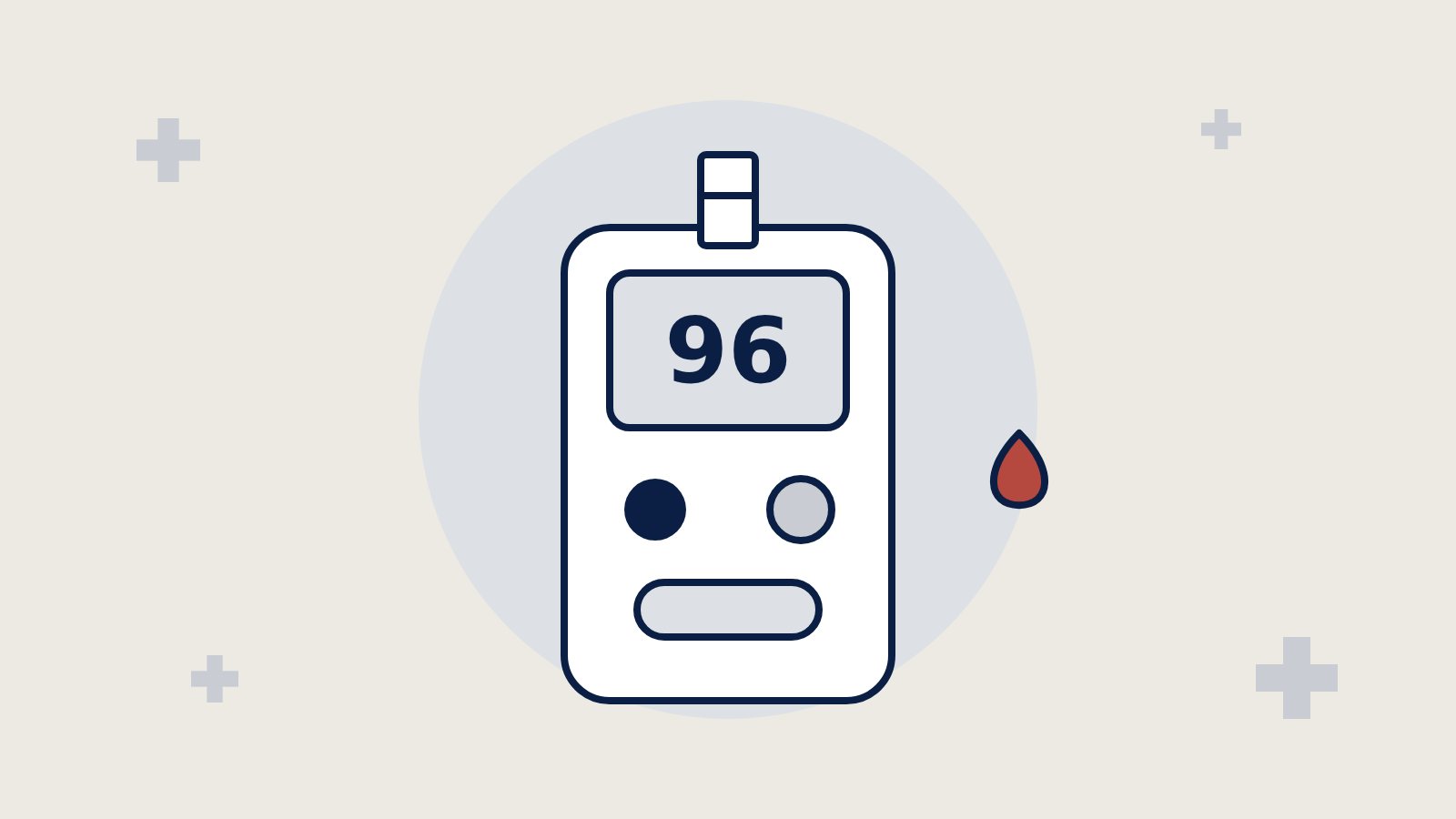
It means pricking your finger with the glucose meter. How often to check depends on your treatment and your doctor: for example, people on several insulin injections a day usually check at least three times a day.
- Wash your hands with warm water and dry them well before pricking.
- Check your supplies: that the test strips have not expired and that the pot is tightly closed, protected from light, moisture and heat.
- Prick the side of the fingertip. It is less painful than the centre.
- Wipe away the first drop if your meter tells you to, and fill the strip’s test area with the next one.
- Write down the result with the date and time (and what you have eaten or done, if you are asked to). That way your doctor can see how you are doing.
Glucose targets are personal. If your readings are always very high or very low, ask about it, do not wait for your next appointment.
2. Your feet: check them every day
Diabetes can reduce sensation in your feet, and a small wound can go unnoticed. That is why they should be checked every day.
- Look at the sole, the heel and between the toes for rubbing, blisters, damp or wounds. Use a mirror, or ask a relative to do it.
- Wash them with soap and water. Test the water with your elbow first: if sensation is reduced, you may not notice that it burns.
- Dry them well, especially between the toes. Moisturise, but not between the toes.
- Nails: file them straight across, without cutting them too short.
- Shoes and socks: wide-fitting shoes with no irritating seams, and seamless cotton socks, changed daily. Check inside the shoe before you put it on.
- Avoid going barefoot (also on the beach and at the pool), hot water bottles and electric pads to warm your feet, and blades or chemical products for calluses.
If you see a wound, redness, swelling or a change in how the foot looks, seek advice early. Do not wait to see if it settles.
3. Hypoglycaemia: what to do if your sugar drops
A hypo is a drop in blood sugar, with readings below about 70 mg/dl. The warning signs are usually trembling, palpitations, cold sweat and blurred vision. You need to act quickly.
The 15 rule:
- Take about 15 g of fast-acting sugar: a sugar cube, half a glass of juice or sugary soft drink, or a glucose gel.
- Wait 15 minutes and check again.
- If you are now above 70 mg/dl, have something slow-acting, such as a small sandwich, so that it does not drop again.
- If you are still below, repeat another 15 g and check again.
If you cannot check and you have the symptoms, act as if it were a hypo. Note: people who have had diabetes for many years sometimes do not get the warning signs, so it is best not to rely on sensations alone.
Seek advice if…
- You have hypos often.
- Your glucose readings are repeatedly high.
- You have a wound on your foot that is not improving, or you notice redness or swelling.
- You do not know how to interpret your readings or adjust your food and exercise.
Get urgent help (112) if…
- There is disorientation, strange behaviour or confusion.
- There are seizures or the person loses consciousness.
- The person cannot swallow safely. Do not give them food or drink if they are unconscious.
When a home nurse can help you
At home I can support you with your diabetes control: teaching you to check your glucose properly and write it down, reviewing how you give your insulin or other injectable medication, checking your feet, dressing a wound and answering the questions that come up when you are on your own with the treatment. I also work with relatives, so that they know what to do if your sugar drops.
Frequently asked questions
How many times a day should I check?
It depends on your treatment. With several insulin injections a day it is usually at least three times. Your doctor will tell you how many.
Why is the side of the finger used?
It is the recommended site in adults and it hurts less.
How often should I check my feet?
Every day. It is also worth seeing a podiatrist several times a year.
What should I take if my sugar drops?
About 15 g of fast-acting sugar (sugar cube, juice, sugary soft drink or glucose gel), and check again after 15 minutes.
Can I go to the beach?
Yes, but with footwear: going barefoot is not recommended.
Sources
- Clínica Universidad de Navarra. How to act in the event of hypoglycaemia. cun.es
- Hospital General de Catalunya. Diabetic foot care. hgc.es
- Hospital Regional de Málaga (Andalusian Health Service). Procedure: percutaneous blood glucose monitoring (2012). juntadeandalucia.es
Informational content. It does not replace the assessment of a healthcare professional or a medical consultation.
Last reviewed: 29 October 2026
See the service