
Platelet-rich plasma, or PRP, comes up more and more in trauma and aesthetic medicine consultations. And sometimes it is discussed with too much enthusiasm. I will explain what it is, how it is prepared and what the available information says, without promising you anything.
One clarification before we start: PRP is prescribed by a doctor, for a specific person and under their responsibility. It is not something you decide on your own, nor something done just anywhere.
What it is
It is autologous plasma, that is, from your own blood, with a higher platelet concentration than usual. Platelets are the cells involved in clotting, among other things.
How it is obtained
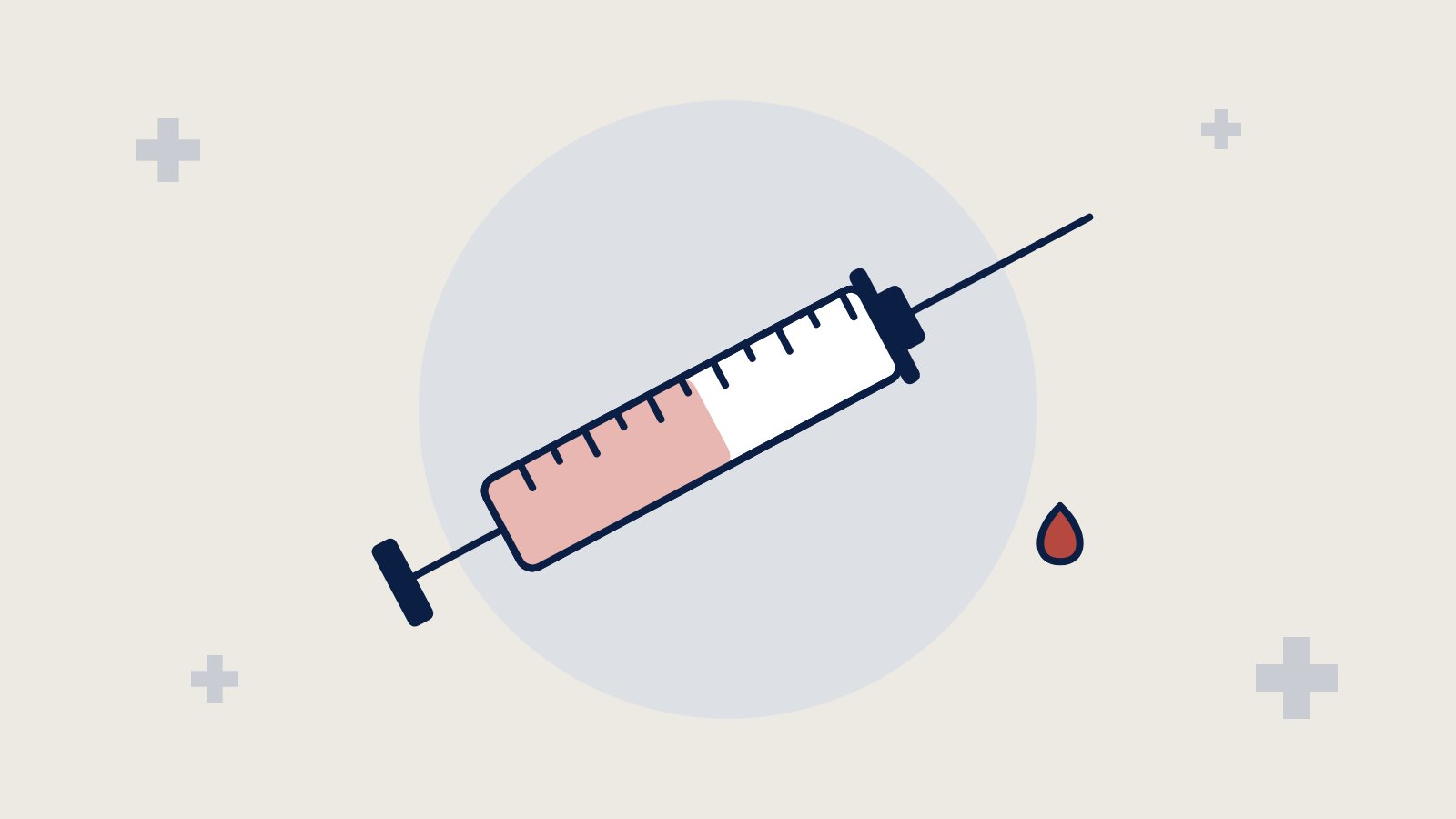
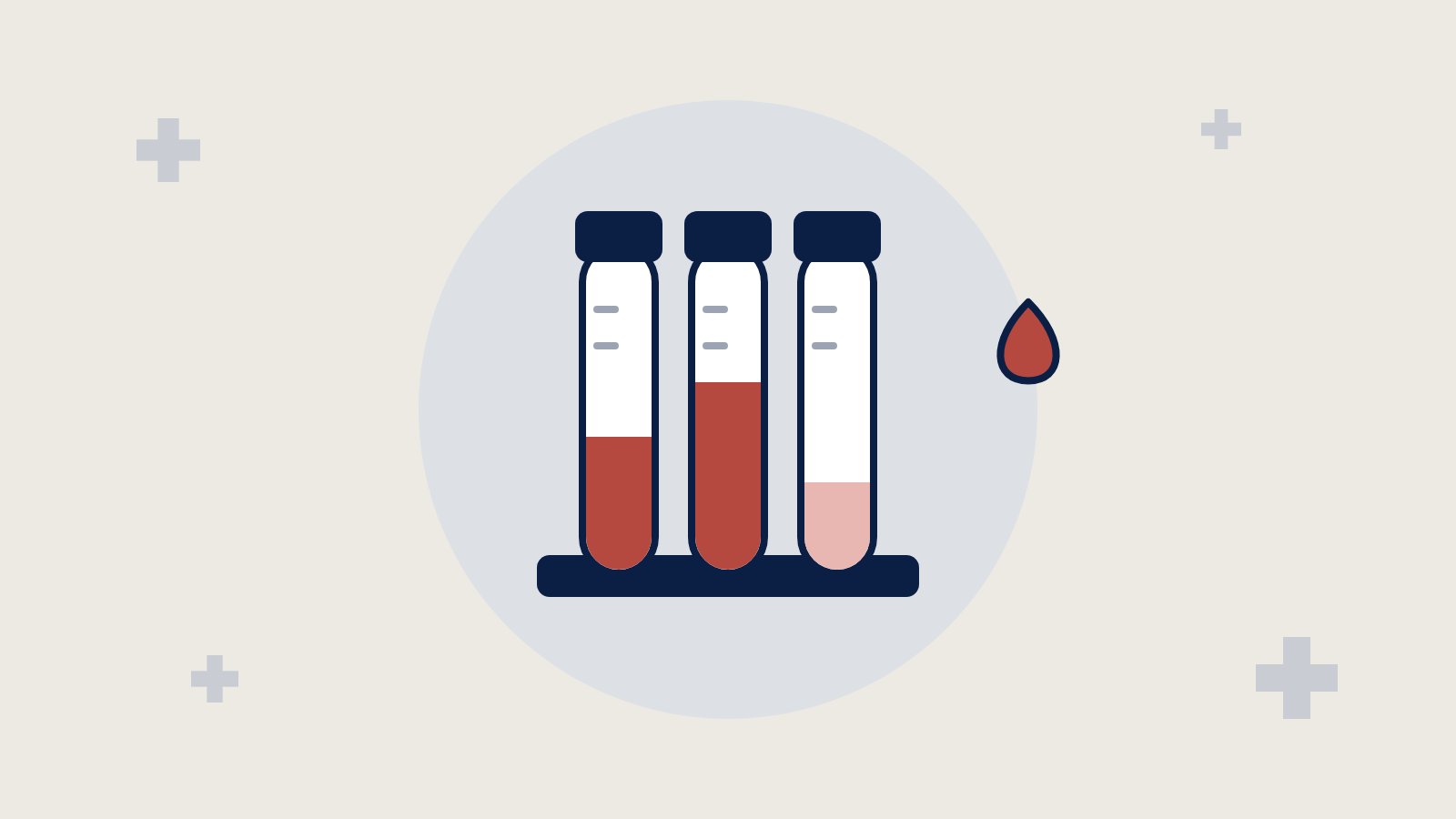
- Blood collection. About 20 ml of blood is taken in a closed circuit, with sterile equipment. It is a collection like the one for a blood test.
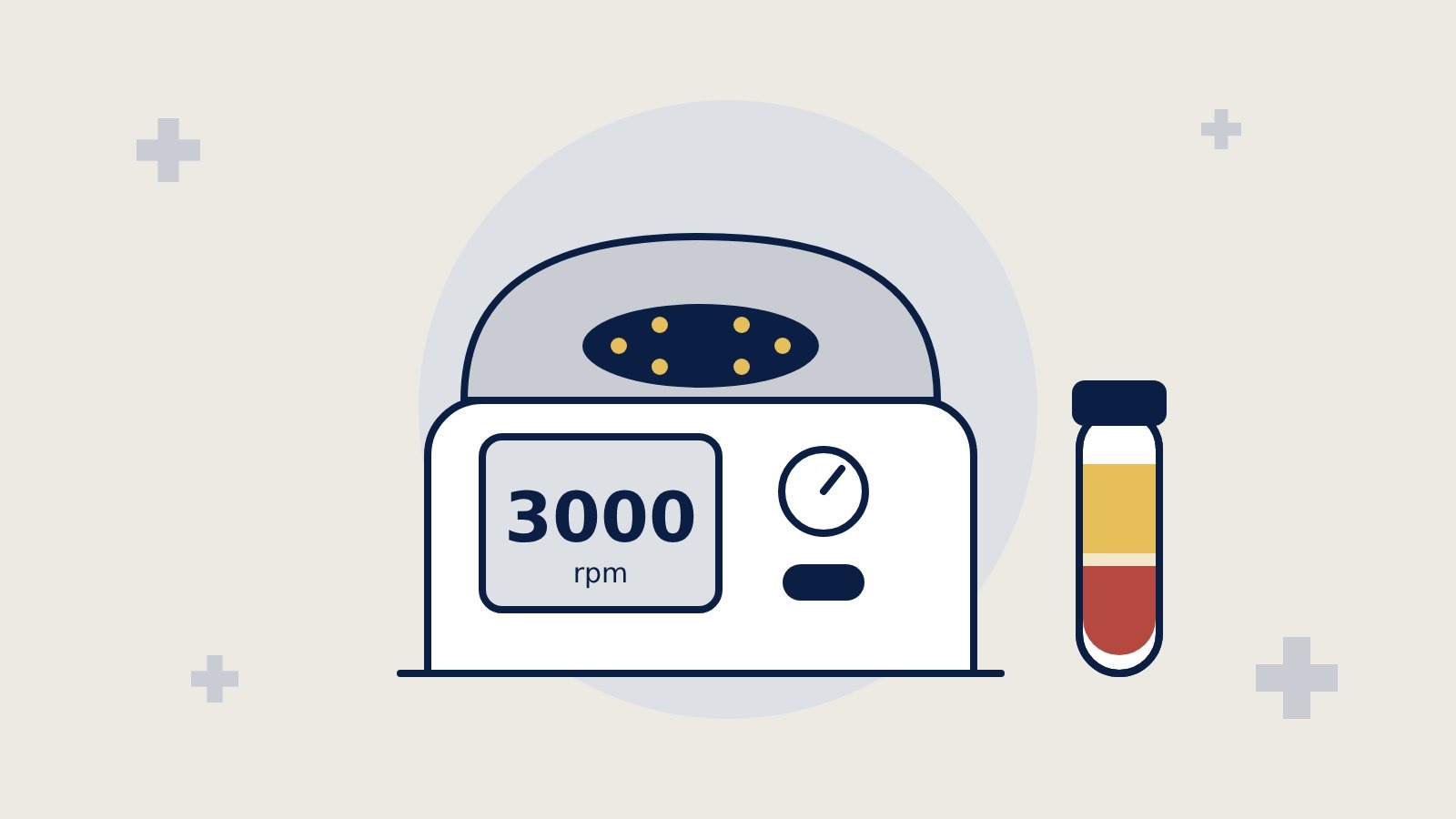
- Centrifugation. The blood is centrifuged and separates into layers: red cells, white cells and the plasma with platelets.
- Preparation. Trained staff obtain the plasma portion with platelets and, depending on the protocol, activate it before applying it.
- Application. It is done under the doctor’s responsibility, for example by injection into a joint or tendon, with a needle suited to the area.
It is usually done in the consultation room. Afterwards, the doctor may recommend relative rest of the area for 24 to 48 hours, and in some cases the application is repeated. How many sessions and how often is their decision.
What the evidence says
Here it is worth being honest. The Spanish Agency for Medicines (AEMPS) states that there is still no official assessment of its efficacy and that clinical trials are under way. Reviews of some uses, such as knee problems, describe small, low-quality studies and recommend better trials before drawing conclusions.
Hospital information sheets themselves warn that sometimes the injection does not improve the clinical picture. That is why it matters that your doctor assesses it and explains what you can expect.
Risks and side effects
According to an informed consent document from a public hospital:
- Common: discomfort during the blood collection and the injection, dizziness or sweating (sometimes fainting), and bruises that usually clear up within 10 days.
- Arthritis after the injection into a joint: between 1% and 3% of cases.
- Infection: uncommon, around 1 in every 10,000 joint injections.
- Tendon rupture: very rare.
When a doctor may advise against it
There are situations in which it is usually avoided, for example if you have a clotting disorder, take anticoagulants, there is an infection in the area or your platelets are low. That is why an assessment is done beforehand. Always tell your doctor about all your medication.
How it is regulated in Spain
Since 2013, the AEMPS has regarded the therapeutic use of autologous plasma as a medicinal product for human use for special needs. That means:
- It is prescribed by a doctor, for an individual patient and under their direct responsibility.
- It is prepared and applied in healthcare centres with suitable staff, facilities, protocols and records.
- This treatment cannot be advertised to the general public.
What nursing does
I do not prescribe or decide it. I work with the centre’s doctor on the nursing side, following the clinic’s protocol:
- Blood collection with sterile equipment.
- Identification and labelling of samples.
- Nursing support during the procedure.
- Aftercare and recommendations, as advised by the doctor.
When to consult your doctor after an injection
- Fever or chills.
- Redness, heat or swelling that increase in the area.
- Intense pain that gets worse rather than better.
- A bruise that grows a lot or does not go down.
In an emergency, call 112.
Frequently asked questions
What is PRP?
Plasma from your own blood with a higher platelet concentration than normal. It is obtained with a blood collection and centrifugation.
Does it hurt?
There is some discomfort during the blood collection and again during the application. How intense it is depends on the area and on each person.
Does it always work?
There is no guarantee. Official information states that its efficacy is still being assessed, and hospital documents warn that sometimes it does not improve the condition.
How many sessions are needed?
The doctor decides, depending on the tissue, the area and your case.
Can it be done at home?
It is prepared and applied in healthcare centres with the right resources and records. That is why I work with the doctor at the clinic.
Is a prescription required?
Yes. It is prescribed by a doctor, for a specific person and under their responsibility.
Sources
- AEMPS. Platelet-rich plasma (PRP). aemps.gob.es
- AEMPS. Frequently asked questions on the non-substitutive therapeutic use of autologous plasma. aemps.gob.es
- Hospital Universitario Reina Sofía (Cordoba), Rheumatology Unit. Informed consent: platelet-rich plasma injection (2020). sspa.juntadeandalucia.es
- Murciasalud, PREEVID. Evidence on PRP injections in patellar chondromalacia (reviews cited up to 2025). murciasalud.es
Informational content. It does not replace the assessment of a healthcare professional or a medical consultation.
Last reviewed: 29 October 2026
See the service